Estimated reading time: 3 minutes
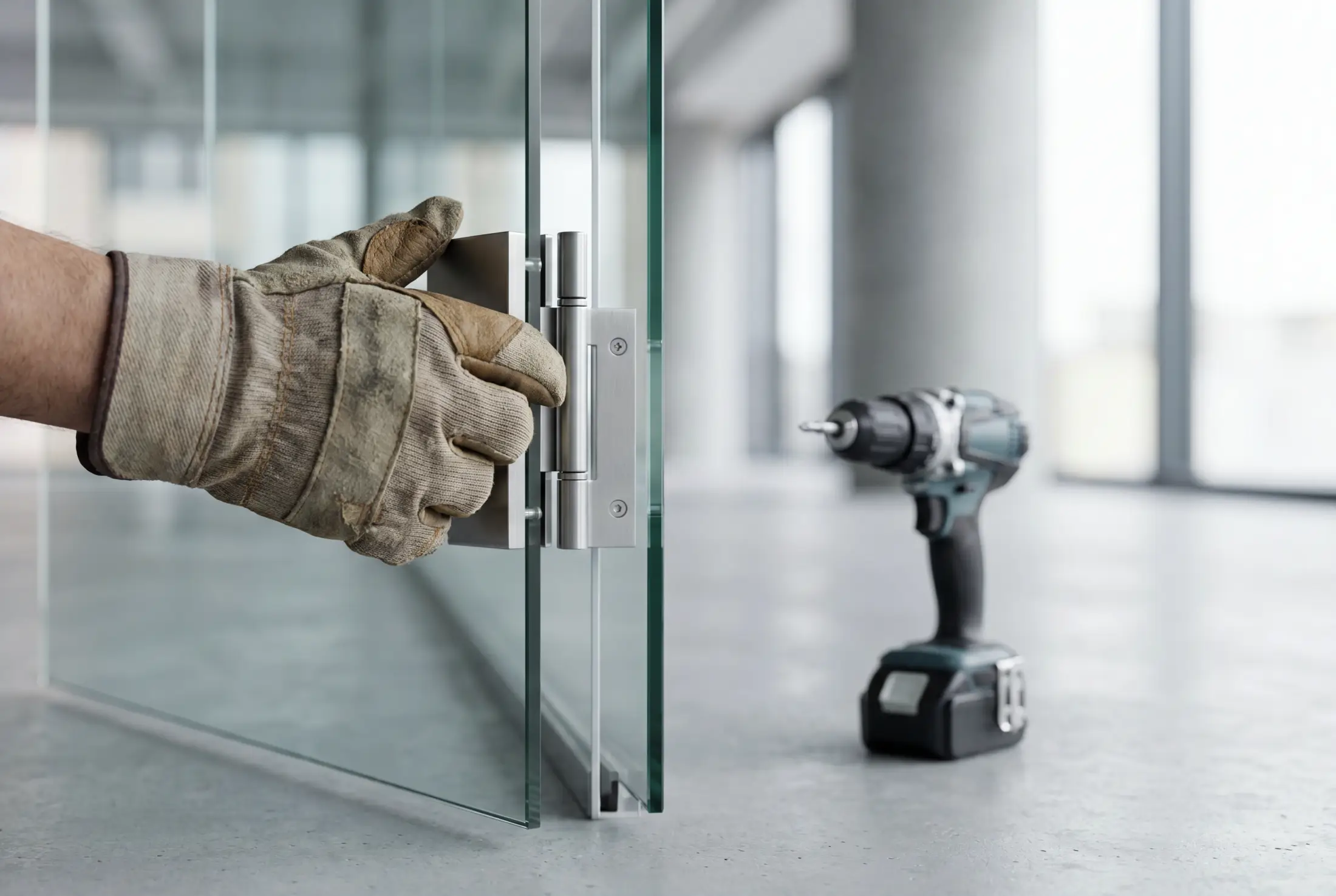
When a commercial door hinge starts giving trouble, you have two common repair options. One is to shim it. Another uses a common tool called a Hinge Doctor. Neither is automatically the right answer. The Hinge Doctor vs shimming choice depends on the condition of both the hinge and the door. On a high-traffic door, that condition matters even more, since the hardware takes far more cycles than a residential one.
When does shimming make sense?
Suppose the door is wood and the screw holes have stripped. The usual fix is a larger screw. It bites into solid wood again and holds firm. This is a simple, low-risk adjustment when the surrounding material is still sound.
One caution: don’t deepen the hinge pocket to compensate. It can look like a quick fix. In reality it weakens the structure for good and invites bigger problems later.
Metal commercial doors behave a little differently. When a screw hole strips in a hollow metal frame, the fix changes. A technician often uses a larger fastener that catches the internal reinforcement. If that reinforcement is gone, welding or a repair plate may be the better call.
Why are technicians cautious about the Hinge Doctor?
A Hinge Doctor corrects hinge alignment, but it puts real strain on the hinge pocket. That holds true whether the pocket is wood or metal. Most experienced technicians hesitate to reach for it first. The added strain can accelerate wear on a pocket that is already borderline.
The rule of thumb is simple. Reach for a Hinge Doctor only when you are confident. Both the hinge and the pocket need to be strong. If you have any doubt, fix that first. Otherwise you risk trading a small problem for a bigger one.
How do you check if the hinge pocket is still sound?
A quick inspection tells you a lot before you pick a method. Look for cracks, crushed material, or screws that spin without biting. On a hollow metal frame, check whether the reinforcement behind the hinge still holds a fastener. Wiggle the door and watch the pocket, not just the hinge. If the pocket flexes or the screws move, the material is compromised.
Which repair should you choose?
Both repairs have their place. The right choice depends on what is happening underneath the surface. Inspect the hinge pocket’s condition first, then decide which repair fits. When the material is sound, shimming or a larger screw usually solves it. When the pocket is worn, deal with that weakness before you reach for a Hinge Doctor. For a door that opens hundreds of times a day, a lasting repair beats a callback.