
Door Arm
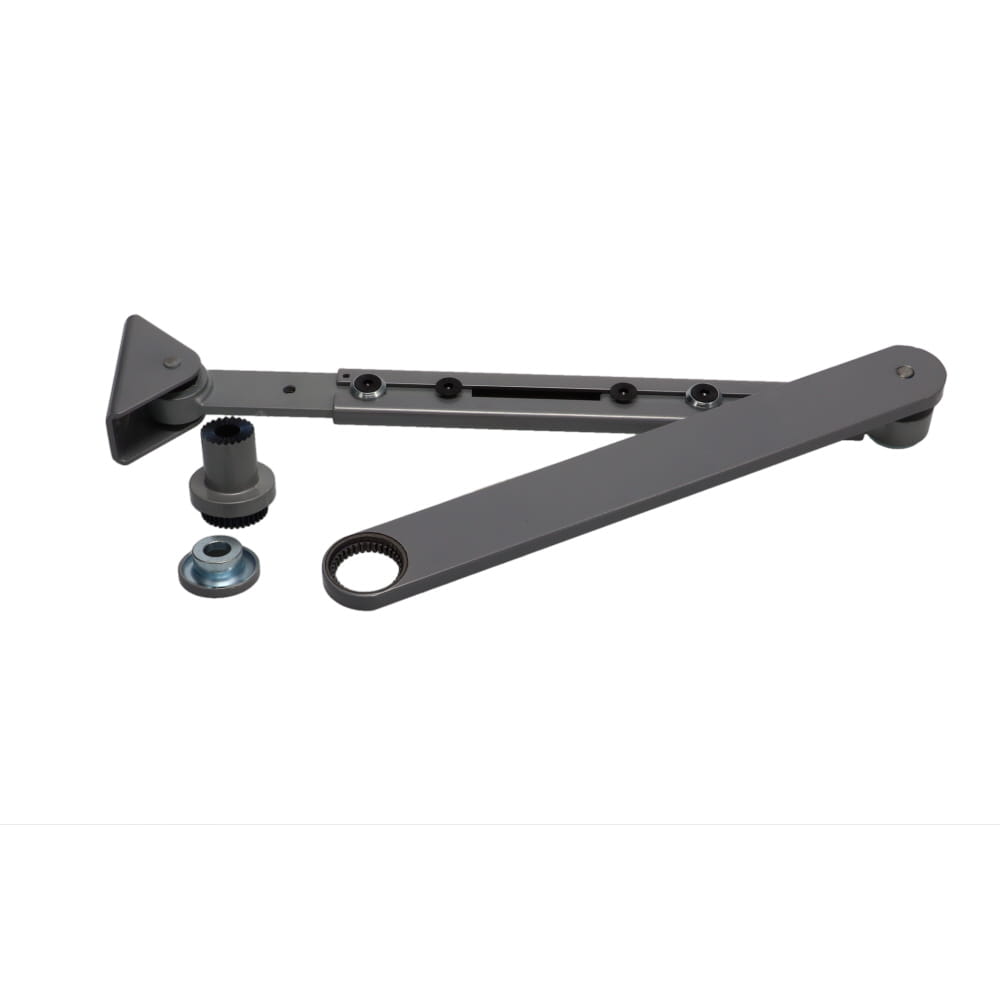
A door arm is the mechanical arm that links a swing door operator to the door panel. It transfers the operator’s motion into the door’s swing. Two setups are common: What happens when a door arm breaks? A broken door arm stops driving the door. The door then opens only by manual force. It also […]
Push Bar
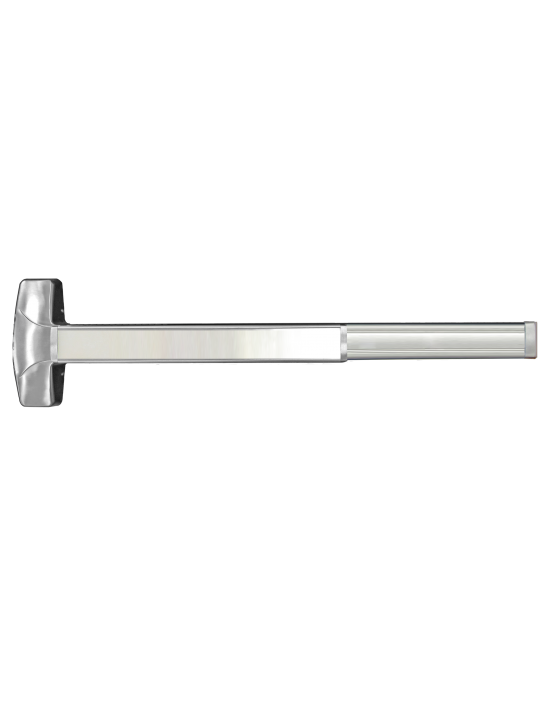
A push bar is code-required hardware on a door that serves as an emergency exit. People also call it an exit device or panic bar. You open the door with one motion. Push against the bar, and the latch releases. You never turn a knob or hunt for a handle. Building and fire code require […]
Card Reader
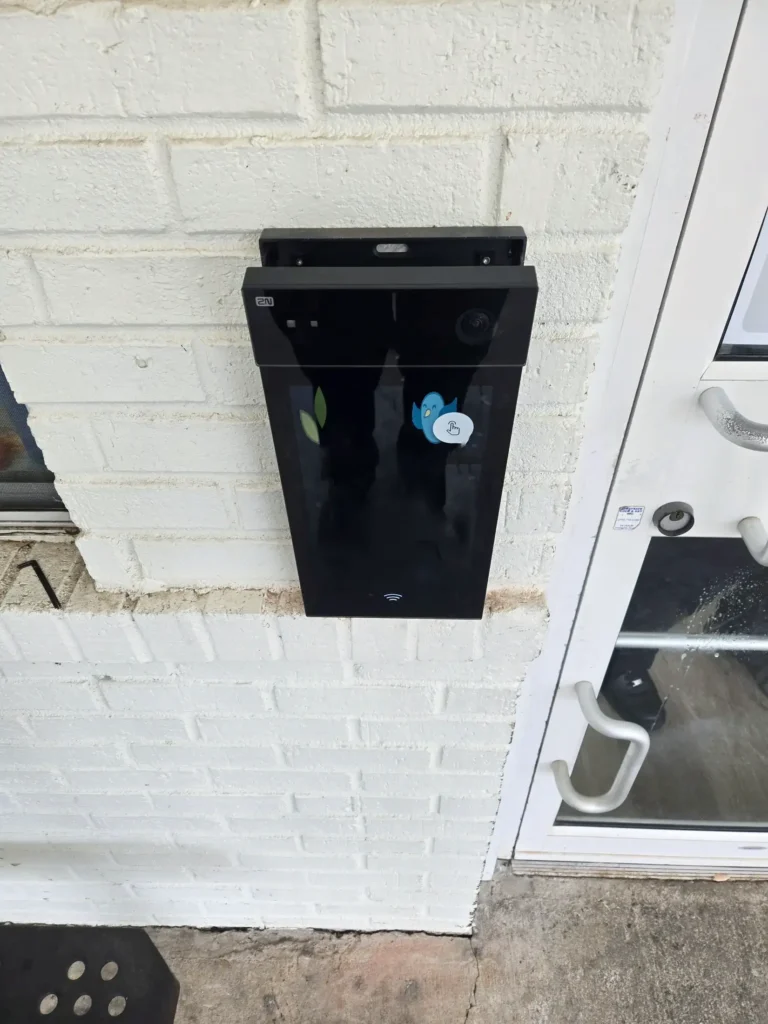
A card reader is a device that sits at or near a door and reads an access credential. It passes the credential to the access control panel. The panel decides whether to unlock the door. The credential can be a proximity card, a key fob, or a phone’s mobile credential. A security company usually installs […]
Threshold
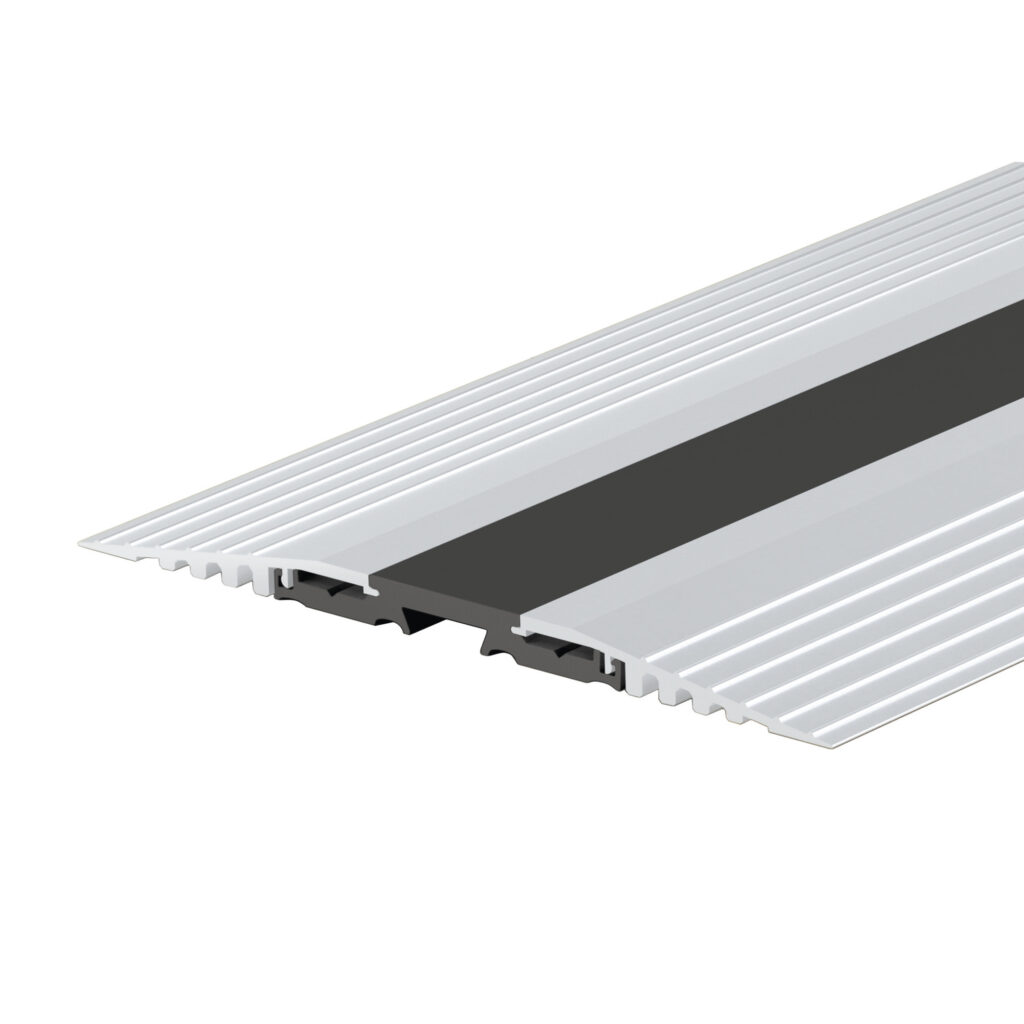
A threshold is the strip that runs across the bottom of a doorway where the door meets the floor. It seals the gap under the door and keeps water from getting through. It also smooths the transition between two floor surfaces. Manufacturers make thresholds from aluminum, rubber, bronze, or brass, depending on the application and […]
Hinges
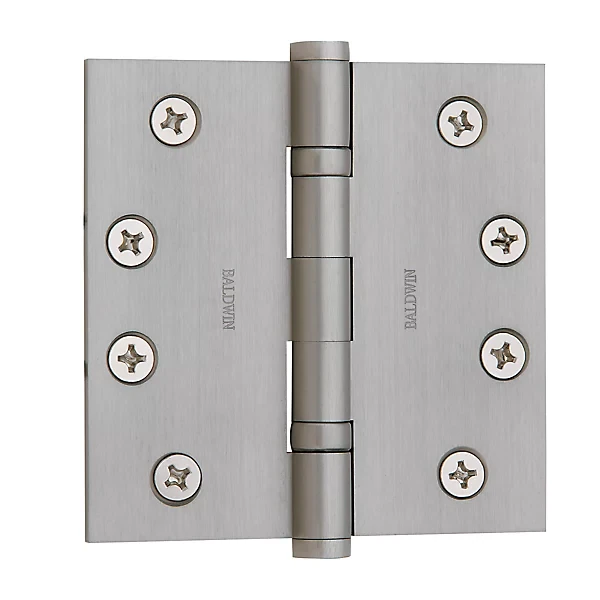
Hinges are the hardware that lets a door panel pivot inside its frame. Most doors run on one of three types. On commercial entrances, hinge choice comes down to door weight and how often the door opens. A heavy storefront door that swings hundreds of times a day wears out a light-duty hinge fast. Ball-bearing […]
Door Closer
A door closer is a mechanical or hydraulic device that pulls a door shut after someone opens it. It manages two speeds. The “sweep” controls how fast the door swings toward the frame. The “latch”, also called the “check”, controls the final pull into the frame. Door technicians adjust both speeds independently on most models. […]