Commercial doors take a beating. A busy entrance cycles thousands of times a day. That wear adds up, and small problems become failures without warning. Commercial door preventative maintenance catches those problems early. For facility managers across Metro Atlanta, a service schedule keeps doors reliable and repair costs predictable.
Why commercial door preventative maintenance matters
A working entrance door does quiet work all day. It seals conditioned air inside and holds down energy costs. The building also stays secure between openings. Reliable access matters too, because tenants and customers judge a property by its front door. When a door fails, every one of those functions stops. A maintenance schedule earns its place in the budget by preventing that.
How preventative maintenance saves you money
Repairs cost less when you plan for them. An emergency call runs higher than a scheduled visit. After-hours labor and rushed parts push the bill up. Planned service finds the small problem first, before it turns into a big one.
The savings come from a few places:
- Catching a worn belt early avoids the cost of replacing a whole operator later.
- A blocked entrance slows the building and can raise an ADA access issue.
- Regular cleaning and adjustment slow the wear that leads to failure.
- A service plan sits in the budget as a fixed line, so a breakdown rarely blows up your quarter.
What a professional preventative maintenance service should cover
A real service plan does more than a quick look. It covers the components that wear and leaves a record you can use. Here is what to expect from a professional visit.
The automatic door safety inspection
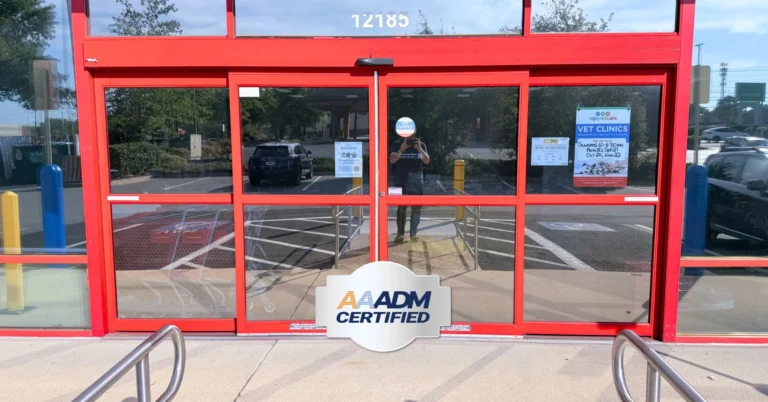
Automatic doors carry safety and liability risks. AAADM sets the standard for inspecting them. The main test measures closing pressure with a calibrated pressure gauge. That reading shows whether the door shuts with safe force. The technician also tests the sensors and confirms the AAADM-required safety signage is on the door. At Apollo Doors, Jerry Richards holds AAADM certification and runs this inspection himself.
Moving parts and hardware
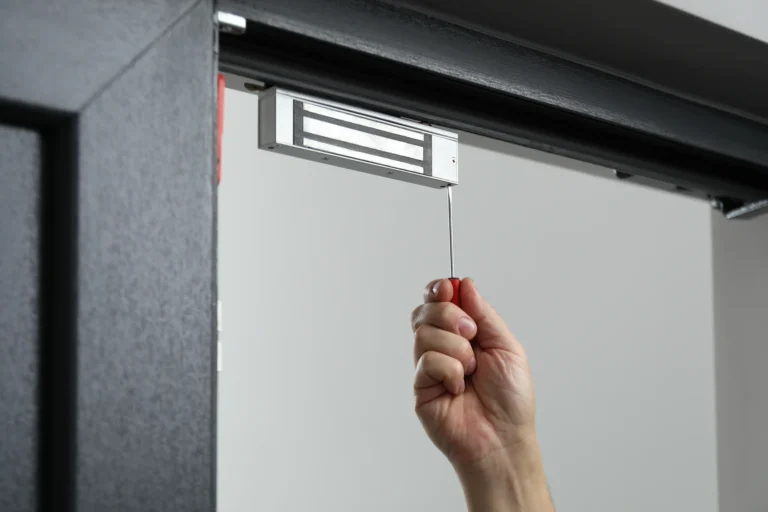
Every door runs on parts that wear with use. On automatic doors, a technician inspects the operator and its drive components for strain. Swing doors get a closer and exit-hardware check instead. The technician then tightens loose fasteners and sets the closing speed and force.
Weatherstripping and thresholds
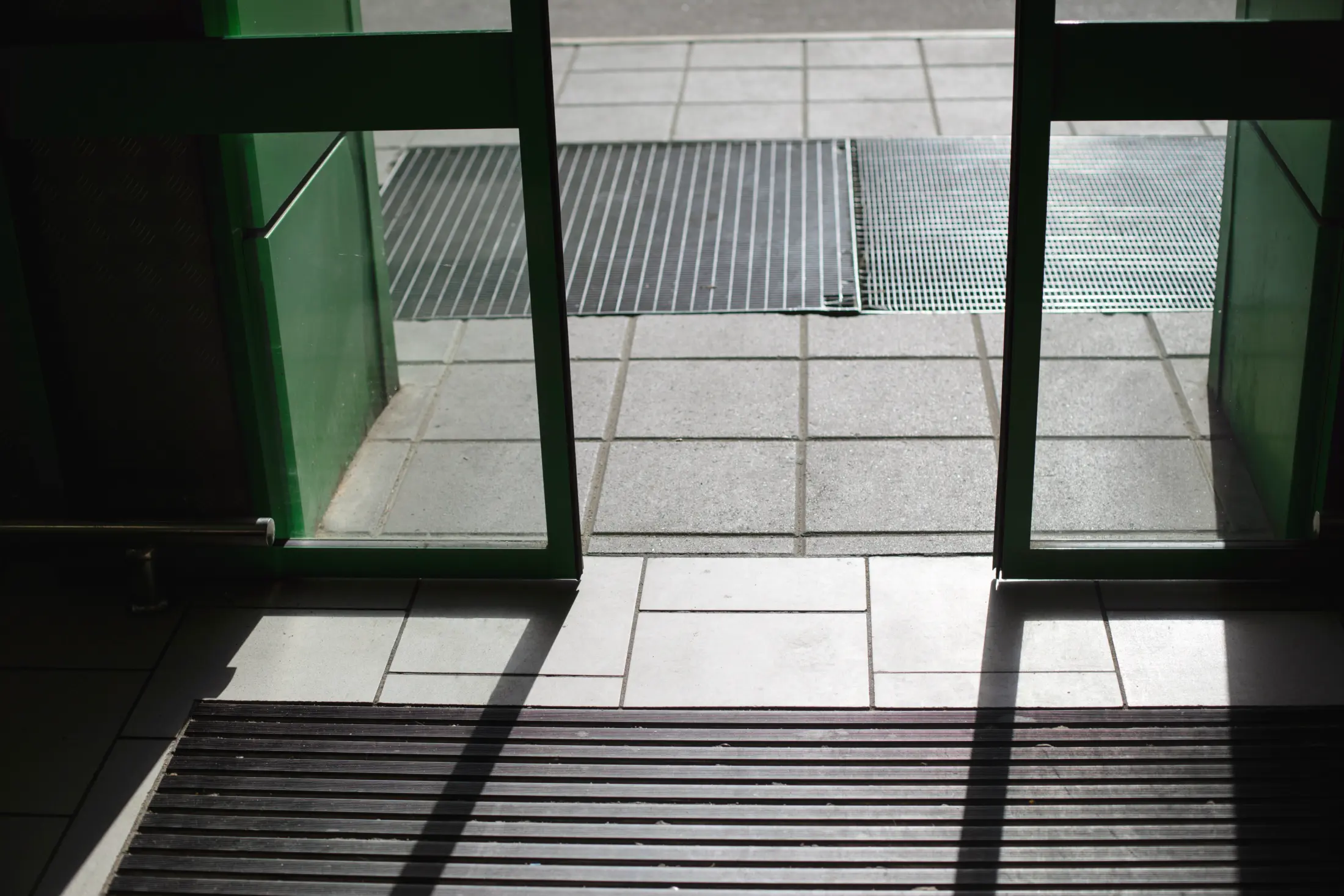
Weatherstripping does more work than most people notice. It seals the gap around the door and keeps conditioned air inside. Worn seals let that air escape, and your energy costs climb. A technician inspects the weatherstripping for cracks, gaps, and flattening. The threshold gets the same check, since a worn one breaks the seal at the floor. Fresh seals also block water and pests from getting under the door. Replacing them costs little and pays back fast on the energy bill.
Documentation you can rely on
Good service leaves a record, and this is where many other companies fall short. They skim the standards and rarely produce an accurate, thorough report. Apollo takes the time to document each door properly. We record exactly what we find during the inspection. Then we compile a full report for you to keep on file (and we keep a copy too). That report proves the door met the standard on the service date. It also notes what changed and when the next visit is due.
Set up a maintenance schedule with Apollo
Apollo Doors services commercial and automatic doors across Metro Atlanta. We handle the technical side and hold AAADM certification. Reach out to talk about a preventative maintenance plan for your building.